In 2026, the progress of businesses is evolving much faster than ever. Technology, remote working, automated works and the main changing employee expectations have transformed how organizations operate. Companies are not just driven by profits and products, they are driven by the employees. That’s where HRM (Human Resource Management) becomes important.
It is not just about hiring of employees or managing salaries. It plays an important role in shaping company’s culture, improving productivity and helping business growth. Understanding it is important for Agencies, Startups, and established companies as well.
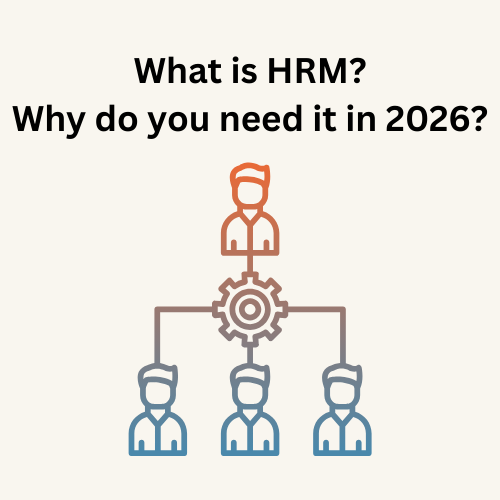
What is HRM?
HRM (Human Resource Management) is the process of managing employees within organizations in a well-mannered way. It involves hiring, training, managing, and employee retention along with ensuring their performance and alignment with business goals.
HRM focuses on building a strong workforce and creating a positive environment where people can perform their best. It ensures that a business has right and hard-working employees at the right roles.
Key Functions of Human Resource Management
HRM includes several core responsibilities that keep an organization running smoothly.
Recruitment and Hiring
It eases the recruitment process by managing the selection process easily and efficiently. It ensures that an organisation has skilled employees who can help in the growth of the company.
Onboarding and Training
New employees definitely need guidance and assistance to understand their role. With the help of it, we would be able to guide them in much better way so that they could grow well.
Payroll and Compensation Management
Managing salaries, bonuses, tax deduction is a major part of it. Accurate payroll builds a better trust, understanding and transparency.
Attendance and Leave Management
It helps an HR to track attendance, leaves, holidays etc. which help is maintaining the data easily and it helps in maintaining discipline and productivity.
Performance Management
It helps employees setting their goal, track performance and help them improving themselves.
Employee Engagement and Retention
Creating a positive workspace, understanding employee achievements and celebrating them. This makes a person happy and help in retaining.
Legal Compliance and Policies
HRM makes sure that people of the organization follows labour laws and company policies.
Why HRM is Necessary in 2026?
Nowadays, the importance of HRM is increasing rapidly due to the essential changes in the business environment. Companies that avoid HRM struggle with productivity, operations, employee satisfactions etc.
Rise of Remote and Hybrid Work
Many organisations operate remotely. HRM systems help in managing productivity, maintaining team collaboration etc.
Increasing Competition for Talent
Finding and retaining skilled employees has become too difficult to hire. HRM helps to build strong hiring strategies and employer branding.
Technology and Automation
Modern HR’s use AI tools for resume screening, payroll and performance analysis which helps them saving their time and hence improves efficiency.
Focus on Employee Experience
Employees today expect growth opportunities, work life balance and recognition. HRM helps to create an environment that supports the employees.
Legal and Compliance Requirements
Business must follow the rules and regulations to ensure the better development of the company. It helps in maintaining all the legal requirements.
HRM for Startups and Growing Businesses
Mostly start-ups ignore HRM in their early stages, but it becomes much more critical as the team grows.
Managing hiring, salaries and performance manually may lead to confusion and inefficiency.
It helps startups:
- Build structured processes
- Manage growing teams
- Track performance and productivity
- Maintain payroll accuracy
- Create a strong company culture
Even a small team benefits from having proper HR systems in place.
HRM vs Traditional HR Practices
Traditional HR mainly focuses on administrative tasks like managing records and handling payroll. Whereas, Modern HRM focuses on workforce planning, performance and employee experience. HR’s now are involved in decision making and growth planning.
Role of Technology in HRM in 2026
Technology has reshaped HRM nowadays.
AI-Powered Recruitment
Automated resume screening and employee monitoring save time.
Cloud-Based HRs
Employee data, attendance, and salaries can be managed from anywhere.
Performance Analytics
Companies can manage performance and track engagement through dashboards.
Automation of Routine Tasks
Repetitive tasks like payroll automation are handled automatically.
This automation helps HR to work on company growth.
Challenges Businesses Face Without HRM
Organizations without it often struggle with:
- Poor hiring decisions
- High employee turnover
- Payroll errors
- Lack of employee motivation
- Legal compliance risks
- Unstructured workplace processes
These major problems slows down company growth and ranking.
Future of HRM
HRM will continue to evolve as workplaces change.
- Increased use of AI and automation
- Greater focus on employee wellness
- Skill-based hiring trends
- Personalized career development plans
- Stronger emphasis on workplace culture
Companies that will adapt to these major changes will outrank in the market.
Conclusion
HRM is not optional in 2026, it is essential for every organization that wants to grow and wants to build strong teams.
It ensures that a company hires the right candidate, manage the efficiently and create an environment where employees can succeed. From recruitment to payroll, it manages all the things easily.
Companies that invest in HRM experience a better productivity, improved employee satisfaction and long term success.